Author: advantage

Tools and floor plans used for Arlington rental renovations planning

Arlington Rental Renovations That Pay Back: Kitchens, Baths, And Floors

If you own a rental in Arlington, you’re competing in one of the region’s most educated, convenience-driven markets. The right updates don’t just look good in photos, they shorten vacancy, attract higher-quality applicants, and justify premium rents. In this guide, you’ll learn which Arlington rental renovations actually pay back, especially in the kitchen, bath, and on the floors, plus how to align upgrades with local regs, budget for ROI, and execute cleanly between turnovers.

Align Upgrades With Arlington Renters And Regulations

Arlington renters tend to prioritize convenience, commute, and condition. You can’t move your building closer to the Metro, but you can make the home feel modern, quiet, and low-maintenance. Focus on finishes that photograph well and survive real life, think durable LVP floors, neutral palettes, good lighting, and storage.

Before you swing a hammer, sanity-check compliance. Most kitchen and bath work that touches plumbing, electrical, or walls requires permits under county/city code. Condo and HOA rules can be stricter than local code, quiet hours, water shutoffs, and material specs (e.g., sound underlayment) may be mandated. If your project involves venting, structural changes, or window/door modifications, expect permitting and longer timelines.

Arlington’s rental market is also pet- and bike-friendly, and many buildings expect water-wise, energy-efficient fixtures. You’ll earn goodwill, and sometimes lower utility expenses, by choosing EPA WaterSense toilets and faucets, LED lighting, and Energy Star appliances.

Finally, match upgrades to your unit class. A Class B garden-style condo near a Metro stop doesn’t need luxury marble to achieve a rent bump. Aim for durable, cohesive, mid-grade selections that photograph like top-tier without top-tier replacement costs.

Budget And ROI: What To Expect And How To Measure

Think in terms of payback, not just price. Your renovation ROI in a rental shows up in three places: higher monthly rent, faster lease-up (fewer vacant days), and lower maintenance/turnover costs.

A simple framework:

  • Kitchen refresh (no layout change): $6k–$15k typically yields a 5–12% rent premium in Arlington’s mid-market units, plus better photos that cut days on market.
  • Bathroom refresh: $3k–$8k can add 3–7% in rent and reduce moisture-related service calls.
  • Whole-home flooring (LVP): $3–$6/sf installed often pays back in avoided refinish/carpet replacements after each tenancy.

Measure it cleanly:

  1. Establish a “pre-reno” rent comp set (3–6 nearby, similar units). 2) Track vacancy days before vs. after upgrades. 3) Add maintenance savings, fewer work orders, longer intervals between repaint/recarpet. If your $10,000 kitchen adds $175/month and cuts one week of vacancy per year, you’re roughly at a 21–25% annualized return, before tax benefits.

Guardrails that keep ROI intact:

  • Spend where the camera lands first: counters, cabinets, lighting, floors.
  • Avoid custom layouts and moving utilities unless a unit is severely functionally obsolete.
  • Choose mid-grade, replaceable SKUs you can reorder for future repairs.

Kitchen Upgrades That Command Higher Rent

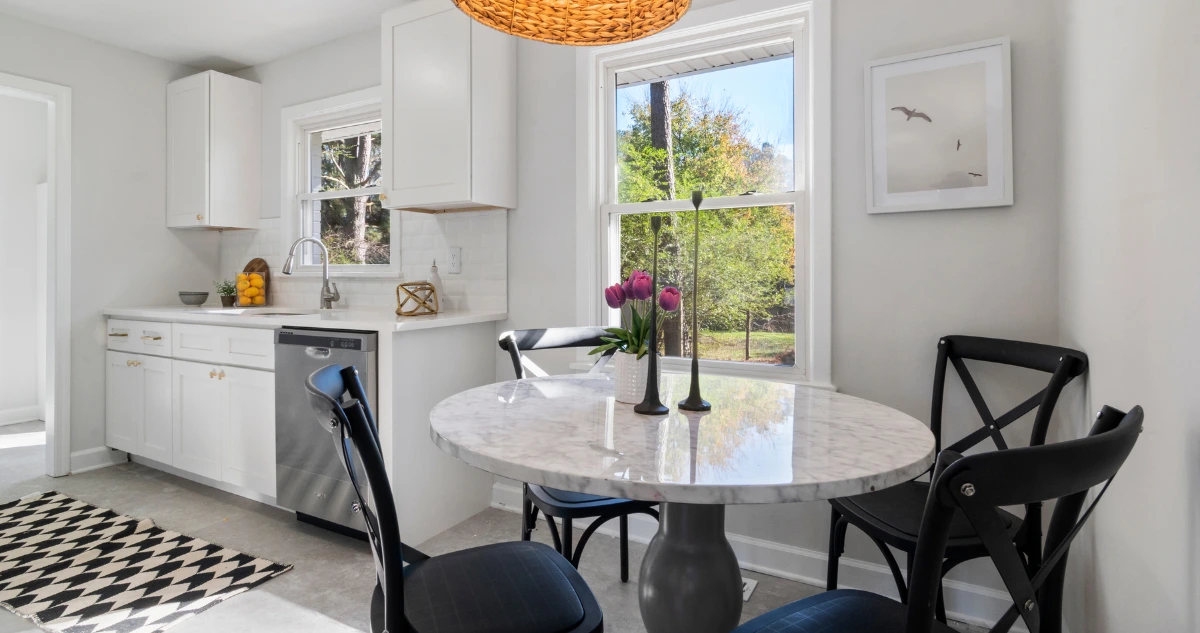
A rental kitchen has one job: look clean and current, and work flawlessly. In Arlington, that usually means a light palette, efficient storage, and reliable, energy-smart appliances. Aim for finishes that read upscale in photos but are forgiving in turnover.

High-Impact Surfaces: Cabinets, Counters, And Backsplashes

Cabinets: If boxes are solid, keep them and swap doors/drawers. Shaker-style replacement fronts in a satin white or warm gray instantly modernize and are easy to touch up. Add soft-close hinges and full-extension drawers, small cost, outsized perception. If the boxes are failing, consider factory-finished stock or RTA cabinets with plywood boxes: they take abuse better than flimsy particleboard.

Counters: Quartz is your friend in rentals, non-porous, stain-resistant, and consistent for reorders. Choose mid-tone patterns that hide crumbs and chips: pure white shows everything. In smaller galley kitchens common around Arlington, a 2 cm quartz with a simple eased edge keeps costs in check and still photographs premium.

Backsplash: A clean, classic 3×12 ceramic subway tile set in a stacked or 1/3 offset pattern looks current without screaming trendy. Use high-quality stain-resistant grout (or epoxy grout if the budget allows) to reduce refreshes between tenants.

Smart Appliances, Lighting, And Storage For Small Footprints

Appliances: Stainless, Energy Star, and counter-depth if space is tight. Prioritize a quiet dishwasher (look for low decibel ratings) and a reliable range. Induction is gaining fans among renters for speed and safety, but only if the rest of your comps support the premium. Always standardize brands across your portfolio for parts and service.

Lighting: Replace the single boob light with a low-profile LED fixture and under-cabinet lighting. It’s an inexpensive way to make small kitchens feel twice as useful. Include a bright, high-CRI bulb in a warm-neutral temperature (3000–3500K) so photos pop without looking sterile.

Storage: Add a pull-out trash/recycle, a shallow pantry cabinet, and a couple of wide drawers for pots. In micros, a wall-mounted rail system for utensils and a magnetic knife strip frees counter space. These are the tiny touches prospects remember during tours.

Bathroom Improvements With The Best Return

Bathrooms sell leases. Renters want bright, dry, and hygienic above all. You don’t need spa features: you need materials that resist moisture, clean fast, and won’t look tired in six months.

Vanity, Toilet, And Fixtures That Balance Cost And Durability

Vanity: Go for a 30–36 inch vanity with drawers (storage matters) and an integrated or quartz top. Floating vanities make small baths feel bigger and simplify floor cleaning, but only if your wall can take it. Matte black or brushed nickel hardware holds up and is easy to match for replacements.

Toilet: Choose a chair-height, elongated bowl with WaterSense certification (1.28 gpf or dual-flush). It’s a utility saver and a comfort upgrade. Keep a standardized model on file so you can replace lids and seats without hunting.

Fixtures: Pressure-balanced shower valves reduce scald complaints. Use metal bodies: avoid cheap plastic internals that lead to service calls. A curved shower rod, quiet exhaust fan, and a simple glass mirror with integrated LED elevate the feel without blowing the budget.

Tile, Grout, Ventilation, And Moisture Control

Tile: Large-format porcelain on the walls (e.g., 12×24) means fewer grout lines and quicker cleaning. On floors, slip-resistant porcelain in a mid-tone hides hair and lint between cleans.

Grout: Upgrade to epoxy grout in showers if you can: it resists stains and mold far better. If not, use a high-quality, sealed grout and reseal on a schedule.

Ventilation: Many Arlington buildings have underpowered bath fans. Step up to a quiet 80–110 CFM fan with a humidistat. It protects your drywall and paint, and keeps the musty smell away during showings.

Moisture control: Add a proper shower niche (not a stick-on caddy), a high-quality silicone seal at wet joints, and use mold-resistant backer board. Little details prevent the dreaded mid-lease leak call.

Flooring That Survives Turnovers And Looks Premium

Floors set the tone in photos and determine how often you’re scheduling repairs between tenants. Your strategy in Arlington rentals is straightforward: resilient where traffic is high, warm where comfort sells, and compliant where sound matters.

LVP Vs. Hardwood Refinishing And Where Each Fits

Luxury Vinyl Plank (LVP): For most rentals, a 12–20 mil wear layer LVP with a click-lock core is the workhorse. It’s waterproof, handles pet claws, and installs quickly during short turns. Choose a medium oak or light walnut tone, timeless, not trendy gray.

Engineered/solid hardwood: If your unit already has hardwood in good shape, a professional refinish can be cost-effective and marketable, especially in higher-end or historic buildings. Use a durable waterborne finish with a matte sheen to hide scratches. Consider hardwood in living/dining only, with LVP in kitchens/entries for spill protection.

Transition strategy: Keep transition strips minimal and consistent across doorways. A messy floor patchwork screams “cheap flip” and undermines rent.

Sound, Stairs, And Carpet Strategy For Bedrooms

Sound: In multi-family and condo settings, sound transmission rules matter. Use an underlayment with documented IIC/STC ratings beneath LVP or floating floors. Get HOA approval in writing before installation.

Stairs: Stairs take a beating. If you must carpet them for traction and noise, choose a solution-dyed nylon with a low pile and a pattern that hides wear. Secure metal stair noses where appropriate.

Bedrooms: Many Arlington renters still like carpet in bedrooms for warmth. A mid-tone, stain-resistant carpet with an 8 lb. pad feels plush and quiets the space without frequent replacement. If you go hard-surface throughout, add thick area rugs to keep showings from feeling echoey.

Execution: Specs, Contractors, And Turnover Timing

Write a mini spec sheet for every upgrade: product brand, model, color, finish, edge profiles, grout color, underlayment type, the works. Future you (or your property manager) will thank you when a tenant chips a tile two years from now.

Contractors: Get at least two bids from licensed, insured pros who regularly work in occupied multifamily buildings. Ask about condo coordination, water shutoffs, and trash hauling, these can derail timelines. Require photos at milestones and keep a simple punch-list template.

Timing: Aim to stack trades so you can complete a kitchen/bath/floor refresh in a 10–21 day window between tenants. Order long-lead items (vanities, quartz, appliances) before move-out. If you must renovate with a tenant in place, schedule noisy work midday and communicate clearly, happy tenants renew.

Final touch: Professional cleaning and bright, consistent bulbs. Great photos pay rent.

Conclusion

In Arlington, rental renovations that pay back aren’t flashy: they’re thoughtful. Solid surfaces in the kitchen, clean and dry baths, and durable, quiet floors create listings that rent fast at better rates, and they keep paying you back with fewer headaches. Start with renter priorities, respect the rules, standardize your specs, and focus on the details prospects notice in the first 60 seconds. That’s how you turn upgrades into dependable cash flow. 

For guidance from experienced property management professionals, you can explore proven strategies to maximize your rental’s long-term returns. When you’re ready to plan your next high-return renovation or property improvement, schedule a consultation to discuss the best next steps.

Key Takeaways

  • Prioritize Arlington rental renovations that match renter priorities and local rules: permit plumbing/electrical changes, follow HOA sound/water guidelines, and choose energy‑efficient, WaterSense and Energy Star fixtures.
  • Use an ROI lens: kitchen refreshes ($6k–$15k) often add 5–12% rent, baths ($3k–$8k) add 3–7%, and LVP at $3–$6/sf pays back via fewer replacements; track comps, vacancy days, and maintenance savings for true return (often 21–25%+ annualized).
  • In kitchens, keep solid boxes and swap doors, choose mid‑tone quartz, classic ceramic backsplash with stain‑resistant grout, Energy Star appliances (quiet dishwasher), LED lighting, and smart storage—standardize SKUs across units.
  • In baths, install a drawer vanity with quartz top, WaterSense chair‑height toilet, metal‑body fixtures with pressure‑balanced valves, epoxy or sealed grout, and a quiet 80–110 CFM fan with humidistat to cut moisture issues.
  • For floors, favor 12–20 mil LVP for most spaces, refinish existing hardwood where it markets well, use rated underlayment to meet condo sound rules, keep transitions minimal, and use durable carpet on stairs/bedrooms for warmth and noise control.

Arlington Rental Renovation FAQs

Which Arlington rental renovations deliver the best payback?

In Arlington rentals, a kitchen refresh ($6k–$15k) often yields a 5–12% rent premium and faster lease-ups. Bathroom refreshes ($3k–$8k) add 3–7% and cut moisture-related calls. Whole-home LVP flooring ($3–$6/sf installed) pays back through fewer refinish/carpet cycles. Spend on high-visibility items: counters, cabinets, lighting, and floors.

How do I measure ROI on Arlington rental renovations?

Set pre-renovation rent comps, then track three metrics post-upgrade: rent increase, fewer vacancy days, and lower maintenance/turnover costs. Example: a $10,000 kitchen adding $175/month and saving one week of vacancy can equate to roughly a 21–25% annualized return, before tax benefits and depreciation.

Do I need permits for kitchen or bath updates in Arlington rentals?

Yes, most work touching plumbing, electrical, walls, venting, or structural elements requires permits. Condos/HOAs may add stricter rules (quiet hours, water shutoffs, sound underlayment). Expect longer timelines for venting, window/door, or structural changes. Verify requirements with the county and your association before scheduling trades.

What kitchen upgrades help Arlington rental renovations command higher rent?

Use shaker-style door replacements, mid-tone quartz counters, and a simple ceramic subway backsplash with stain-resistant grout. Choose Energy Star stainless appliances (prioritize a quiet dishwasher), add under-cabinet and low-profile LED lighting, and include storage touches like pull-out trash and wide drawers. Standardize brands for easier repairs.

Are rental renovation costs tax-deductible or depreciable?

Generally, improvements (new cabinets, flooring, appliances) are capitalized and depreciated over 27.5 years for residential rentals, while repairs (like minor fixes) may be currently deductible. Energy-efficient upgrades can qualify for rebates or incentives. Tax treatment varies—document clearly and consult a CPA familiar with real estate to optimize.

How long do Arlington County permits typically take for rental renovations?

Timelines vary by scope. Minor over-the-counter permits can be issued within days, while kitchen/bath permits that involve trades may take 1–3+ weeks. Structural, window/door, or venting changes can extend to several weeks or more. Start permit applications early and coordinate HOA approvals to avoid scheduling delays.

Tenant with keys to new home.

Tenant Retention In Memphis, TN. What Keeps Quality Renters Longer

As a property owner or manager in Memphis, retaining quality tenants should be a top priority. The local rental market can be competitive, and understanding what keeps renters satisfied can help you maintain a stable income and reduce turnover costs. In this text, we’ll explore the key factors influencing tenant retention, the importance of keeping quality renters, and effective strategies to create an inviting community that encourages long-term leases.

Understanding Tenant Retention

Tenant retention refers to the ability of rental property owners to keep their tenants for extended periods. High retention rates are often an indicator of a well-managed property and satisfied renters. Factors like lease duration, tenant satisfaction, and property upkeep all play a role in how long a tenant will stay. Understanding tenant retention means acknowledging that several elements impact renters’ decisions to renew or move out.

When tenants feel valued and supported, they are more likely to stay in your property. This means you should not only focus on filling vacancies but also on creating a comfortable living environment that meets their needs.

The Importance Of Retaining Quality Renters

Retaining quality renters is essential for several reasons. Firstly, turnover can be costly. From lost rent during vacancy periods to the expenses associated with marketing your property, showing it to prospective tenants, and handling the paperwork for new leases, these costs can quickly add up.

Secondly, good tenants contribute to a positive living environment. They are more likely to respect the property and adhere to rules, making the overall community more pleasant. Quality renters can also provide invaluable feedback, helping you improve your property and service offerings. So, your focus should be on developing a strategy to retain these valuable residents.

Factors That Influence Tenant Retention

Several factors significantly influence tenant retention. Here are three key elements to consider:

Enhancing Tenant Experience

Creating an enjoyable living experience is crucial. This includes everything from the aesthetics of the common areas to how you handle issues or complaints. Make sure that your property is clean, well-lit, and maintained. Regularly refreshing paint or landscaping can show renters that you care.

Effective Communication Strategies

Clear, open communication is essential. Regular updates about property management, upcoming changes, or community events can keep tenants engaged. Use various channels such as emails, newsletters, or even community meetings to inform renters. Being responsive to inquiries or complaints shows you value their input and fosters trust.

Maintenance And Property Management

Timely maintenance is non-negotiable. Responding quickly to repair requests can alleviate tenants’ frustrations. Ensure that property management is approachable, and assignments are completed efficiently. Consider implementing a tenant portal for easy reporting of issues or maintenance requests.

Creating A Community Atmosphere

Beyond individual tenant experiences, fostering a sense of community can significantly improve tenant retention. Organizing community events, such as holiday parties or summer barbecues, can create connections among renters. When tenants feel like they are part of a community, they are less likely to leave.

Plus, consider creating shared spaces like lounges, gardens, or fitness centers where residents can gather. These communal areas encourage interaction and can significantly enhance the living experience. A sense of belonging can turn a house into a home.

Implementing Incentives For Long-Term Leasing

Consider offering incentives that encourage long-term leases. Discounts on rent for longer lease terms, gift cards, or upgrades to their apartment for renewing their lease can be effective strategies. These incentives not only reward loyal tenants but also reduce the likelihood of them seeking options elsewhere.

Also, you might consider flexible lease options. For example, offering a 12-month lease option with a guaranteed renewal rate or an option to break the lease under specific conditions can offer renters peace of mind, knowing their circumstances are taken into account.

Conclusion

To conclude, tenant retention in Memphis is achievable by focusing on creating a positive environment where quality renters feel valued and engaged. By enhancing tenant experiences, maintaining effective communication, managing maintenance issues timely, fostering community spirit, and implementing attractive incentives, you can significantly increase your retention rates. Remember, happy tenants not only stay longer but can also serve as ambassadors for your property, bringing in new renters through recommendations. To learn more about our Memphis property management services or discover effective retention strategies, contact Advantage Property Management today.

Key Takeaways

  • Focusing on tenant retention in Memphis can reduce turnover costs and enhance property income.
  • Creating an enjoyable living experience through well-maintained common areas can significantly boost tenant satisfaction.
  • Effective communication with tenants fosters trust and engagement, reducing the likelihood of them moving out.
  • Timely maintenance responses are crucial; they alleviate frustrations and contribute to a positive living environment.
  • Organizing community events can build a sense of belonging, making tenants more inclined to stay long-term.
  • Offering incentives for longer leases, such as discounts or upgrades, encourages tenant loyalty and retention.

Frequently Asked Questions about Tenant Retention in Memphis, TN

What factors influence tenant retention in Memphis, TN?

Key factors influencing tenant retention include enhancing tenant experience, effective communication, timely maintenance, fostering a community atmosphere, and offering incentives for long-term leasing.

How does tenant retention benefit property owners?

Retaining quality renters reduces turnover costs, maintains stable rental income, and fosters a positive living environment, leading to easier management and tenant satisfaction.

What strategies can I use to improve tenant satisfaction?

Improving tenant satisfaction involves regular property maintenance, clear communication about updates, and creating enjoyable communal areas to enhance the overall living experience.

How can community events boost tenant retention?

Community events help tenants connect, creating a sense of belonging. When renters feel part of a community, they are less likely to move, enhancing retention rates.

What are some effective incentives for encouraging long-term leases?

Offering discounts for longer lease terms, gift cards, or apartment upgrades can motivate tenants to renew their leases, reducing turnover and vacancies.

Why is timely maintenance crucial for tenant retention?

Timely maintenance addresses tenant concerns quickly, alleviating frustrations and demonstrating that property management values renters, which fosters satisfaction and loyalty.

Family of prospective tenants.

Section 8 Property Management in Cordova, Owner Requirements and HQS Tips

Navigating the Section 8 housing program can be a complex journey for property owners in Cordova. Understanding the ins and outs of this federal program not only helps you comply with regulations but also maximizes the benefits of your investment. In this guide, we will explore the essential requirements for property owners, key responsibilities for managers, and tips for ensuring your properties meet Housing Quality Standards (HQS). Let’s immerse and equip you with the knowledge you need to succeed in managing Section 8 properties.

Understanding Section 8 Housing Program

The Section 8 Housing Program, officially known as the Housing Choice Voucher Program, is a government initiative designed to assist low-income families in securing affordable housing. This program enables participants to rent privately owned housing while helping cover the costs through rental vouchers. As a property owner in Cordova, involving yourself in this program not only contributes to providing essential housing but also allows you to tap into a broader tenant pool and ensure a steady inflow of rental income.

The heart of Section 8 is providing families the ability to choose housing in the private market. Participants receive assistance with a portion of their rent, which is paid directly to you as the landlord, ensuring a more reliable income and potentially lowering vacancy rates.

Eligibility Requirements for Property Owners

Becoming a Section 8 property owner in Cordova comes with specific eligibility requirements that you must meet to participate in the program:

  • Ownership of Leasable Property: You must own or be authorized to rent residential properties that meet all local housing codes.
  • Compliance with Fair Housing Laws: It’s crucial that you adhere to all fair housing regulations to ensure equal treatment of all tenants.
  • HQS Compliance: All properties must meet the Housing Quality Standards set forth by the local public housing agency (PHA). This means your property needs to be safe, sanitary, and habitable.
  • No Drug-Related Convictions: Owners need to certify that they do not have any drug-related offenses within the previous five years.
  • Exclusive Rental Agreements: If you have tenants who are already under section 8, the terms must not include conditions that contradict the program guidelines.

Meeting these requirements sets the groundwork for your participation in the program.

Key Responsibilities of Section 8 Property Managers

As a property manager handling Section 8 properties, your responsibilities include a range of tasks that ensure compliance with both landlord and tenant obligations:

  • Tenant Screening: You are responsible for screening potential tenants, ensuring they meet the eligibility criteria set forth by your local housing authority.
  • Lease Management: Ensure all leases are clear and adhere to both federal and state guidelines while being fair to your tenants.
  • Rent Collection: You must manage the collection of rent payments accurately, coordinating with the housing authority to receive voucher payments.
  • HQS Inspections: Conduct regular property inspections to ensure compliance with Housing Quality Standards and help necessary repairs.
  • Communication with Housing Authority: Staying in regular contact with your local PHA to remain informed of any changes to program policies or requirements.

Housing Quality Standards (HQS) Overview

Housing Quality Standards (HQS) are critical to the success of the Section 8 program, aimed at safeguarding the health and safety of tenants. Understanding these standards is not just a matter of compliance: it’s essential for providing quality housing that meets the needs of your tenants.

Tips for Compliance with HQS

  • Conduct Regular Inspections: Don’t wait for scheduled inspections by the housing authority: frequently check your properties to ensure continual compliance.
  • Address Issues Promptly: If you find any issues that violate HQS, fix them as soon as possible to maintain tenant trust and avoid complications.
  • Keep Records: Document all repairs and inspections as this will provide evidence of your adherence to HQS and protect you should any disputes arise.

Common Issues to Avoid in Property Management

  • Neglecting Small Repairs: Minor issues can escalate if left unattended, making your property non-compliant.
  • Ignoring Tenant Feedback: Always take tenant feedback seriously: it can highlight issues that may compromise HQS.
  • Failing to Maintain Safety Features: Ensure that smoke detectors, carbon monoxide detectors, and other safety features are functional.

Benefits of Effective Section 8 Property Management

Managing your Section 8 properties effectively has several advantages that can enhance your rental experience:

  • Consistent Rental Income: With the government covering part of the rent, you are more likely to receive payments on time and in full.
  • Tenant Stability: Section 8 tenants often stay longer, reducing turnover costs and ensuring more steady occupancy rates.
  • Community Impact: Providing affordable housing contributes positively to the local community, showcasing your commitment to social responsibility.
  • Access to a Larger Market: Participation in the Section 8 program opens up your rental properties to a diverse range of tenants, increasing your chances for stable occupancy.

Conclusion

To conclude, navigating Section 8 property management in Cordova requires a thorough understanding of eligibility requirements, responsibilities, and Housing Quality Standards. By staying informed and proactive, you can ensure your properties are compliant, functional, and appealing to tenants. Embracing this program not only benefits you through consistent income but also plays a vital role in enhancing community welfare. As you step into the world of Section 8 management, keep these tips in mind to achieve success in your property ventures. To learn more about our Cordova property management team or to explore how we can help with your Section 8 properties, contact Advantage Property Management today.

Key Takeaways

  • Understanding Section 8 housing regulations can maximize your rental income and broaden your tenant pool in Cordova.
  • Adhering to Housing Quality Standards (HQS) is vital for ensuring safety and compliance for Section 8 properties.
  • Regular property inspections and prompt issue resolution are key strategies for maintaining HQS compliance.
  • Establishing clear leases and effective communication with the housing authority helps streamline property management.
  • Effective Section 8 management leads to consistent rental income and positive contributions to the local community.

Frequently Asked Questions about Section 8 Property Management in Cordova

What are the eligibility requirements for Section 8 property owners in Cordova?

To qualify, owners must own leasable property meeting local housing codes, comply with fair housing laws, ensure Housing Quality Standards (HQS) compliance, and certify no drug-related convictions in the past five years.

How can I ensure my property meets Housing Quality Standards (HQS)?

Regular inspections are key. Address issues promptly, keep records of repairs, and maintain safety features like smoke and carbon monoxide detectors to stay compliant with HQS.

What are the main responsibilities of a Section 8 property manager?

Key responsibilities include tenant screening, lease management, accurate rent collection, conducting HQS inspections, and maintaining communication with the local housing authority.

Why should I consider participating in the Section 8 program?

Participating in the Section 8 program can provide consistent rental income, enhance tenant stability, and allow access to a larger market of diverse tenants, positively impacting your community.

Can I manage multiple Section 8 properties at once in Cordova?

Yes, as long as you comply with housing regulations and manage each property according to HQS and the requirements set by the local housing authority.

What common issues should I avoid in Section 8 property management?

Avoid neglecting small repairs, ignoring tenant feedback, and failing to maintain safety features, as these can lead to non-compliance with HQS and tenant dissatisfaction.

Property manager showing a home.

Property Management in Bartlett, Costs, ROI, and How We Lease Faster

Navigating the world of property management in Bartlett can seem daunting, especially if you’re a new property owner. Understanding the intricacies involved, like costs, return on investment (ROI), and efficient leasing strategies, can help you make informed decisions. In this text, we’ll investigate into what you need to know about property management in Bartlett, ensuring your investment performs optimally.

Understanding Property Management in Bartlett

The Role of a Property Manager

Property managers are crucial to the success of your rental property. They oversee all aspects of property management, from finding and screening tenants to handling maintenance requests and ensuring compliance with local laws. In Bartlett, a property manager not only acts as your representative but also ensures that your property is maintained to the highest standards, protecting your investment.

Benefits of Professional Property Management

When you hire a property management company in Bartlett, you’re investing in expertise. These professionals bring valuable skills to the table:

  • Tenant Screening: A thorough screening process helps you find reliable and responsible tenants, so minimizing potential vacancies and late payments.
  • Legal Compliance: Navigating property laws can be complicated. A good property manager is well-versed in local regulations and ensures that your property meets all legal requirements.
  • Maintenance Management: Property managers coordinate repairs and maintenance quickly, ensuring that your property remains in good condition and your tenants are satisfied.

Costs Associated with Property Management

Breakdown of Property Management Fees

Understanding the costs of property management in Bartlett is vital for any property owner. Typically, property management companies charge a percentage of the monthly rental income, usually between 8-12%. This fee covers basic services like tenant placements, rent collection, and maintenance oversight.

  • Leasing Fees: Plus to management fees, expect to pay a leasing fee each time a new tenant is placed. This can range from one month’s rent to a flat fee, depending on the company.
  • Renewal Fees: Some property managers charge a fee for renewing leases, which can add to your overall costs.

Additional Costs to Consider

Beyond standard fees, consider other expenses that might arise:

  • Maintenance Costs: Regular maintenance is essential for keeping your property in top shape. Budgeting for these costs ensures you’re prepared when unexpected repairs arise.
  • Advertising Costs: To lease your property quickly, you may need to invest in advertising. High-quality photos, online listings, and possibly staging can enhance your property’s appeal but can also incur additional costs.

Calculating ROI in Property Management

Factors Affecting ROI

Return on investment is a critical metric for any property owner. Various factors can influence your ROI in property management:

  • Rental Income: The most obvious factor, higher rental income directly impacts your ROI.
  • Vacancy Rates: Keeping your property occupied is key. High vacancy rates can significantly lower your overall return.
  • Operational Efficiency: Efficient management can reduce costs and increase profitability.

Strategies to Improve ROI

Improving your ROI doesn’t have to be complicated. Here are several strategies:

  • Regular Maintenance: Keeping your property well-maintained prevents larger repairs down the line, saving you money.
  • Upgrade Features: Invest in updates that attract tenants, such as energy-efficient appliances or modern finishes. This can justify higher rents and boost demand.
  • Understand Your Market: Stay updated on rental market trends in Bartlett. Adjusting your rental price or marketing strategy can significantly impact your occupancy rates.

Leasing Strategies for Faster Turnaround

Effective Marketing Techniques

Renting your property quickly is essential for maximizing returns. Implementing effective marketing strategies can make a big difference:

  • Online Listings: Ensure your property is listed on popular rental websites where potential tenants are searching.
  • Social Media Promotion: Leverage social media platforms to reach a broader audience. Posting attractive photos and engaging descriptions helps generate buzz around your listing.
  • Networking: Connect with local real estate agents and community organizations to spread the word about your available rental.

Utilizing Technology in Leasing

Technology can streamline the leasing process, making it faster and more efficient:

  • Virtual Tours: Offering virtual tours allows prospective tenants to view your property at their convenience, increasing interest.
  • Online Applications: Implementing an online application system can speed up tenant screening and leasing timelines.
  • Automated Communication: Tools that automate communication with tenants can free up your time while ensuring potential applicants are kept informed.

Conclusion

Property management in Bartlett involves understanding costs, optimizing ROI, and implementing effective leasing strategies. By hiring a skilled property manager, you stand to benefit from professional insights that can protect your investment. By staying informed about costs and employing forward-thinking strategies, you can lease your property faster and ensure a healthy return on your investment. Whether you’re a seasoned investor or new to property management, focusing on these key areas will help you achieve success. To learn more about our Bartlett property management team or to get started, contact Advantage Property Management today.

Key Takeaways

  • Understanding property management in Bartlett is crucial for optimizing your investment returns.
  • Hiring a professional property manager ensures efficient tenant screening and legal compliance, safeguarding your property.
  • Budget for a range of costs, including management fees, maintenance, and advertising, to prevent financial surprises.
  • Improving ROI can be achieved through regular maintenance and market-responsive pricing strategies.
  • Utilize technology, such as online listings and virtual tours, to lease your property faster and attract quality tenants.

Frequently Asked Questions

What are the typical costs of property management in Bartlett?

Property management companies in Bartlett usually charge between 8-12% of the monthly rental income, along with additional leasing and renewal fees that can vary per company.

How can I improve my ROI in property management?

Improving ROI involves regular maintenance to prevent costly repairs, upgrading features to attract tenants, and staying informed about market trends to adjust rental prices effectively.

What strategies can help lease my property faster in Bartlett?

Effective strategies include utilizing online listings on popular rental sites, promoting your property via social media, and leveraging virtual tours to engage potential tenants quickly.

Why is tenant screening important in property management?

Thorough tenant screening helps you find reliable tenants, reducing vacancy rates and late payments, which ultimately protects your investment and ensures a steady cash flow.

Can technology really speed up the leasing process?

Yes, using technology like online applications, automated communication, and virtual tours can streamline the leasing process, making it faster and more efficient for both landlords and tenants.

What is the average return on investment (ROI) for rental properties?

The average ROI for rental properties varies significantly by location and management efficiency, but typically it ranges from 6% to 12%, influenced by factors like rental income and vacancy rates.

Hands reviewing paperwork at a desk with a small model house, documents, and pen, Rental Property Inspections

Rent-Ready Checklist For Lakeland Landlords: The Exact Steps Before Listing

Owning rental property in Lakeland can be a rewarding investment, but before you list your home for rent, it’s crucial to be fully prepared. A well-organized ‘rent-ready checklist’ can help streamline the process and ensure your property attracts high-quality tenants. From understanding the local rental market to finalizing the lease agreement, here’s a comprehensive guide tailored for you to navigate each step with confidence.

Understanding the Rental Market in Lakeland

Before you jump into the renting process, take a moment to familiarize yourself with the rental market in Lakeland. Understanding the trends, average rent prices, and demographics can significantly influence your success as a landlord.

Analyzing Market Trends

Keep an eye on local real estate reports, attend community meetings, and connect with local real estate professionals to gather valuable insights. Pay attention to seasonal fluctuations: for instance, demand may spike during summer months as families relocate for school.

Familiarizing Yourself with the Competition

Check out similar listings in your area. Look at rental prices, amenities offered, and property conditions. By understanding what other landlords are doing, you can tailor your approach to stand out in the competitive market.

Preparing the Property for Rent

Getting your property in tip-top condition is crucial when preparing to rent it out. Here are the steps to ensure your home is appealing to potential tenants.

Inspecting and Repairing Key Areas

Start with a thorough inspection of the property. Look for any issues that might need immediate attention:

  • Roof: Check for leaks or missing shingles.
  • Plumbing: Ensure all faucets and toilets work correctly.
  • Electrical: Test outlets and replace any burnt-out light bulbs.

Once you’ve identified necessary repairs, schedule them promptly to avoid last-minute issues that could delay your listing.

Deep Cleaning the Property

A clean property makes a significant impression on prospective tenants. Consider hiring a professional cleaning service for deep cleaning. Focus on:

  • Kitchens and Bathrooms: Pay attention to appliances, counters, and tile work.
  • Carpet and Flooring: Have carpets cleaned, and consider polishing hardwood floors if applicable.

Enhancing Curb Appeal

First impressions count. Improve your property’s exterior by:

  • Landscaping: Trim hedges, mow the lawn, and plant seasonal flowers.
  • Exterior Painting: Freshen up paint on doors or shutters.
  • Outdoor Spaces: Clean patios or decks and ensure any furniture is tidy.

Setting the Right Rental Price

Pricing your rental property correctly is one of the most crucial steps. If you price too high, you risk a long vacancy: too low, and you may not recover your investment.

Researching Comparable Properties

Use online real estate platforms to see what similar properties are renting for in your area. This will give you a realistic baseline.

You can also consider working with a property management company for expert pricing advice.

Setting Your Price

Factor in your property’s condition, size, and location. If you’ve made recent upgrades or repairs, such as a new roof or updated appliances, these could warrant a slightly higher price. Also, remember to account for your expenses and desired profit margin.

Marketing Your Rental Property

Once your property is ready and priced, it’s time to showcase it to potential renters.

Creating a Compelling Listing

Highlight the features that make your property unique. Good photographs are essential, consider hiring a professional photographer if your budget allows. Write a clear and engaging description that includes:- Key Features: Number of bedrooms/bathrooms, square footage, and any recent upgrades.

  • Amenities: Mention any community features like a pool, gym, or proximity to parks and schools.
  • Rental Policies: Clearly state your policies about pets, smoking, and background checks.

Utilizing Multiple Channels

Post your listing on multiple rental platforms like Zillow, Facebook Marketplace, and Craigslist. Don’t forget to leverage social media and community bulletin boards to reach a wider audience.

Screening Potential Tenants

Effective tenant screening can save you from potential headaches in the future. Here’s how you can make the process as smooth as possible.

Application Process

Create a structured application process that includes applications forms, either online or paper, where potential renters provide personal references, rental history, and employment information.

Background Checks

Running background checks is essential. This includes:

  • Credit History: Look for a responsible credit history to gauge financial stability.
  • Rental History: Speak with former landlords for insights into tenant behavior.
  • Criminal Background: Ensure that your future tenants are trustworthy and safe to live in your property.

Finalizing the Lease Agreement

Once you’ve selected a tenant, finalizing the lease agreement is the next crucial step.

Crafting a Comprehensive Lease

Ensure that your lease includes:

  • Payment Terms: Clarify rent due dates and acceptable payment methods.
  • Security Deposits: Outline how much is required and the conditions for its return.
  • Lease Duration and Termination Policies: Specify the length of the lease and the process for termination.

Legal Compliance

Familiarize yourself with local rental laws to ensure compliance. Consider having an attorney review your lease to protect your interests and ensure it aligns with Florida’s rental regulations.

Conclusion

Preparing your property for rent in Lakeland may seem daunting, but with a systematic approach, you can navigate the steps toward successful leasing. Remember, the key is thorough preparation, from understanding the local rental market to ensuring your property is appealing and compliant with laws. By following this checklist, you set yourself up for a smooth rental experience and attract the right tenants. To learn more about our Lakeland property management services or get started, contact Advantage Property Management today.

Key Takeaways

  • Understanding the rental market in Lakeland is essential for setting competitive prices and attracting quality tenants.
  • Inspect and repair key areas of your property to ensure it meets tenant expectations before listing for rent.
  • Enhancing curb appeal through landscaping and exterior upkeep can significantly impact first impressions on potential renters.
  • Set the right rental price by researching comparable properties and accounting for any recent upgrades to maximize returns.
  • Utilize multiple channels for marketing your rental property, including social media and online platforms, to reach a broad audience.
  • Implement a structured tenant screening process to ensure reliable and trustworthy renters occupy your property.

Frequently Asked Questions about Preparing Your Rental Property in Lakeland

What should be included in a rent-ready checklist for Lakeland landlords?

A rent-ready checklist for Lakeland landlords should include property inspection, necessary repairs, deep cleaning, enhancing curb appeal, and understanding local rental market trends.

How can I determine the right rental price for my Lakeland property?

To determine the right rental price, research comparable properties in your area, consider recent upgrades to your property, and factor in your expenses and desired profit margin.

What steps should I take to enhance my property’s curb appeal before renting?

Enhancing curb appeal involves landscaping, exterior painting, and cleaning outdoor spaces. These improvements create a positive first impression for potential tenants.

What legal considerations should Lakeland landlords be aware of?

Lakeland landlords must familiarize themselves with local rental laws, including lease terms, security deposits, and tenant rights to ensure legal compliance and protect their interests.

How can I effectively screen potential tenants for my rental property?

Effective tenant screening includes a structured application process, conducting background checks on credit and rental history, and confirming references from previous landlords.

Why is understanding the local rental market important for Lakeland landlords?

Understanding the local rental market helps landlords price their property competitively and attract high-quality tenants by being aware of trends and tenant demographics.

Small cozy kitchen

Maximizing Return on Investment with Minimal Property Upgrades

When investing in property, achieving the highest possible return on investment (ROI) is critical. But this doesn’t always require large-scale renovation projects. By strategically implementing minimal property upgrades, you can enhance property value effectively. This guide will walk you through understanding ROI in property investment and identifying impactful improvements that align with your goals. 

For property owners and investors in Memphis and surrounding areas, small strategic improvements can make a big difference in profitability.

Understanding ROI in Property Investments

What Is Return on Investment (ROI)?

Return on Investment, or ROI, measures the gain or loss generated from an investment relative to its cost. For property owners, it’s a crucial metric that indicates the profitability of improvements made.

Importance of ROI for Property Owners

Understanding ROI helps property owners make informed decisions about upgrades that contribute to maximized profitability while minimizing unnecessary expenses. Learn how property management professionals assist in planning cost-effective strategies.

Assessing Your Property’s Potential

Analyzing Current Market Trends

Identifying trends in your local real estate market, such as popular features or desirable property characteristics, enables you to focus on upgrades that meet buyer demands effectively.

Identifying High-Impact Improvement Areas

Evaluating your property’s current condition helps pinpoint areas that, with improvement, can highly enhance its market value at a minimal cost.

Minimal Upgrades for Significant Gains

Cosmetic Enhancements That Add Value

Small adjustments, such as painting walls with neutral tones or replacing outdated fixtures, can transform spaces attractively without significant expenditure.

Energy-Efficient Modifications

Installing energy-saving appliances or improving insulation can add appeal and reduce utility costs for prospective tenants.

Functional Improvements to Maximize Usability

Modifications like rearranging a room for better layout options can significantly impact utility and aesthetic value.

Case Studies and Examples

Success Stories from Property Owners

Research and showcase examples of property owners who have gained substantial ROI through strategic upgrades, drawing lessons that can guide your endeavors.

Mistakes to Avoid

Identify common pitfalls, such as over-personalization or ignoring key structural concerns, to ensure your upgrades have the desired impact.

Evaluating Upgrade Costs Versus Potential Gains

Budgeting for Property Upgrades

Establish a detailed budget that aligns with both your financial capacity and the anticipated upgrade efforts to keep project cost-controlled.

Calculating Projected ROI

Use precise ROI formulas or consult evaluators to determine whether your planned upgrades will yield marginal, noticeable, or significant returns.

Conclusion

By focusing on well-thought-out property improvements, you can maximize your returns while keeping investments in check. Use these strategies to make smart, cost-effective decisions that elevate your property’s value.

To discuss your property needs or get personalized guidance, get in touch with our team today.

Key Takeaways

  • Return on Investment (ROI) in property measures profitability relative to investment cost, crucial for informed decision-making.
  • Analyzing local real estate market trends aids in identifying upgrades that align with buyer preferences.
  • Minimal upgrades like cosmetic enhancements and energy-efficient modifications can significantly increase property value.
  • Budgeting and calculating projected ROI ensure upgrades are cost-effective and aligned with financial goals.
  • Case studies highlight the importance of strategic improvements and avoiding common pitfalls in property investments.

Maximizing ROI with Minimal Property Upgrades

What is Return on Investment (ROI) in property upgrades?

ROI measures the efficiency of an investment, calculated as the gain relative to the cost. In property upgrades, it reflects how improvements increase the property’s value compared to the expenditure.

Which minor enhancements can significantly boost a property’s value?

Cosmetic changes such as painting walls, updating fixtures, and landscaping, as well as enhancing energy efficiency, can notably increase property appeal and market value without substantial investment.

How do energy-efficient modifications impact ROI in property investments?

Energy-efficient upgrades reduce utility bills, making properties more appealing to buyers or tenants, thereby enhancing value and ROI.

Why is understanding market trends important before making property upgrades?

Identifying prevailing market preferences ensures that the upgrades align with buyer demands, enhancing desirability and return potential.

What are common mistakes to avoid in property upgrades?

Over-customizing spaces, ignoring structural issues, or exceeding the budget can hinder potential ROI and property appeal.

Showing houses in a row

Preparing Rental Properties for Severe Weather

Preparing rental properties for severe weather events is a crucial responsibility for property owners and managers. Adequately addressing potential risks not only safeguards the physical structures but also ensures the safety of tenants and their possessions. 

In this guide, we’ll investigate comprehensive strategies to prepare your rental properties, including understanding risks, implementing preventative measures, and developing robust emergency and recovery plans.

Understanding the Risks of Severe Weather

Identifying Common Weather-Related Hazards

Severe weather events come in various forms, such as hurricanes, tornadoes, floods, blizzards, and wildfire conditions. Recognizing these hazards is crucial to adequately prepare your rental properties against potential damage.

Assessing Risk Levels Based on Location

The severity and likelihood of such events vary depending on geographic location. Researching regional climatic data and adhering to local building codes and guidelines specific to severe weather in your area is essential.

Conducting Preventative Maintenance

Inspecting Structural Integrity

Examine the foundation, roof, windows, and doors for any vulnerabilities that might exacerbate weather-induced damage. Addressing these proactively can reduce long-term costs. Regular property maintenance services ensure that structures remain resilient against severe weather.

Securing Outdoor Features and Belongings

Ensure that trees are trimmed to prevent falling debris, outdoor furniture is anchored or stowed, and gutters are cleaned to help efficient water drainage. For more extensive upgrades, renovation services can enhance structural resilience.

Emergency Preparedness Planning

Establishing Communication Protocols With Tenants

Maintain updated contact information for tenants and outline clear communication channels for updates or instructions during an imminent weather event.

Preparing a Site-Specific Emergency Kit

Assemble kits featuring essentials yet tailored to the property type and local weather risks, these may include flashlights, first aid supplies, portable chargers, and local emergency numbers.

Working With Professionals for Weather Readiness

Consulting with Insurance Providers

Discuss your insurance policies to confirm coverage specifics concerning weather-related damages and explore options for additional protection if necessary.

Engaging Weatherproofing Specialists

Collaborate with contractors who specialize in reinforcing properties against severe weather: for example, window specialists for storm shutters and engineers for roof bracing.

Post-Severe Weather Response and Recovery

Inspecting and Documenting Damage

After severe weather subsides, conduct a detailed inspection of the property, noting any signs of damage. Proper documentation can expedite insurance claims.

Coordinating Repairs and Insurance Claims

Engage certified professionals to address repairs promptly and work closely with insurance companies to process claims efficiently and reinstate the property to its pre-storm condition. 

Conclusion

Preparing your rental property for severe weather is an essential aspect of property management. By addressing the risks proactively, conducting regular maintenance, and ensuring efficient emergency and recovery protocols, you provide a safer environment for tenants while protecting your investments, fostering trust, and mitigating potential losses.

Contact us today to learn how our team can help you implement effective weather preparedness strategies, protect your tenants, and keep your properties safe, occupied, and profitable.

Key Takeaways

  • Identify common severe weather risks specific to your rental property’s location to implement appropriate preventative measures.
  • Regularly inspect and maintain the structural integrity of the property to mitigate potential damage during weather incidents.
  • Create clear emergency communication protocols with tenants and provide a tailored emergency kit for each property.
  • Consult with insurance providers to ensure coverage aligns with regional weather risks and reinforce properties with professional assistance.
  • Post-storm, promptly inspect the property, document damages, and coordinate with certified repair professionals and insurers for restoration.

Frequently Asked Questions

Why is preparing rental properties for severe weather important?

Preparing rental properties for severe weather protects both the property and its tenants by minimizing potential damage and ensuring safety during extreme conditions.

What are essential steps to assess severe weather risks for rental properties?

Start by identifying the common severe weather risks in the property’s location and evaluating the property’s vulnerabilities to these hazards to develop effective mitigation plans.

What preventative maintenance actions should property managers take?

Inspect property structures such as roofs, windows, and foundations for vulnerabilities, secure outdoor items, and ensure proper drainage systems are in place to reduce damage risks.

How can I prepare tenants for emergency situations?

Establish and communicate clear emergency procedures, maintain up-to-date contact information, and provide tenants with property-specific emergency kits tailored to prevailing weather threats.

Are there professionals that can assist with severe weather preparedness?

Yes, consult insurance providers for guidance on suitable coverage and collaborate with specialized contractors to reinforce property features against severe weather conditions.

Property owners shaking hands.

Making Your Rental Property More Energy Efficient

Improving the energy efficiency of your rental property offers substantial benefits for both you and your tenants. In addition to providing economic advantages, implementing energy-efficient measures contributes to a more sustainable environment. This guide will walk you through key strategies to optimize the energy efficiency of your property, with comprehensive tips on engaging tenants and monitoring your progress effectively. For landlords looking for expert property management in Memphis, these strategies can help maximize both tenant satisfaction and long-term property value.

Understanding the Benefits of Energy Efficiency for Rentals

How Energy Efficiency Impacts Tenants

Energy-efficient rental properties offer tenants lower utility bills, enhanced indoor comfort, and improved living conditions. These features significantly enhance tenant satisfaction and retention.

Economic Advantages for Property Owners

By adopting energy-efficient measures, you can attract eco-conscious renters and potentially increase your property’s market value. Reduced utility expenses for communal areas also contribute to overall cost savings. This is particularly appealing for investors seeking long-term returns on rental properties.

Key Areas to Focus on for Energy Efficiency

Improving Insulation and Weatherproofing

Upgrade your property’s insulation and seal leaks to maintain steady indoor temperatures without excess energy usage. Focus on windows, doors, and attics for the best results.

Upgrading to Energy-Efficient Appliances

Replacing outdated appliances with energy-efficient models can significantly lower energy consumption. Look for ENERGY STAR-rated devices as a benchmark for efficiency.

Optimizing Heating and Cooling Systems

Modern HVAC systems use advanced technologies to regulate temperature efficiently. Regular maintenance further ensures optimal performance and longevity.

Sustainable Energy Solutions for Rental Properties

Installing Solar Panels and Renewable Energy Systems

Incorporating renewable energy options like solar panels can help offset electricity costs while demonstrating your commitment to sustainability.

Incorporating Smart Home Technologies

Smart thermostats, lighting systems, and water usage monitors offer precision energy management, giving tenants greater control while saving energy.

Engaging Tenants in Energy Efficiency Practices

Providing Guidance on Energy-Saving Habits

Educate your tenants on energy-efficient practices such as using energy-saving settings on appliances and conserving water. Clear communication encourages their active participation.

Incentives for Sustainable Living

Offer incentives such as rent discounts for energy-efficient behavior or rewards for meeting sustainability goals. This fosters a shared commitment to conserving energy.

Evaluating and Monitoring Energy Efficiency Improvements

Conducting Regular Energy Audits

Periodic energy audits identify areas needing improvement, allowing you to refine your efficiency strategies proactively.

Tracking Cost Savings Over Time

Keep records of reduced utility costs and improved efficiency metrics to evaluate the success of your implementations.

Conclusion

Improving your rental property’s energy efficiency is a worthwhile investment. By focusing on key upgrades and involving your tenants in the process, you’ll achieve significant benefits. These efforts not only reduce costs but also make a positive impact on the environment. For guidance from experienced property management professionals, you can explore their approach to optimizing rental properties. When you’re ready to implement energy-efficient solutions or other property management strategies, schedule a consultation to discuss next steps.

Key Takeaways

  • Implementing energy-efficient upgrades in rental properties enhances tenant satisfaction by reducing utility bills and improving living conditions.
  • Installing proper insulation and upgrading to energy-efficient appliances significantly reduces energy consumption and preserves indoor comfort.
  • Incorporating renewable energy solutions like solar panels aligns rental properties with sustainability practices and offsets electrical costs.
  • Engaging tenants in adopting energy-efficient habits positively contributes to the property’s overall energy performance and environmental impact.
  • Conducting regular energy audits and tracking savings ensure effective monitoring and optimization of implemented efficiency measures.

Frequently Asked Questions about Energy Efficiency for Rental Properties

What are the benefits of improving energy efficiency in rental properties?

Enhancing the energy efficiency of your rental property can reduce utility costs, increase tenant comfort, improve environmental sustainability, and potentially raise the property’s market value.

How can insulation and weatherproofing improve a rental’s energy efficiency?

Proper insulation and sealing leaks maintain consistent indoor temperatures, reducing the need for energy-intensive heating or cooling systems.

What is the significance of ENERGY STAR-rated appliances?

Appliances with ENERGY STAR ratings comply with strict energy efficiency criteria, ensuring reduced electricity usage and lower operating costs.

Are solar panels a viable option for rental properties?

Installing solar panels can offset electricity expenses and attract eco-conscious tenants by demonstrating a commitment to sustainable living.

How can property owners encourage tenants to adopt energy-saving behaviors?

Property owners can offer guidance on energy-efficient practices, provide incentives like discounts for sustainable actions, and install smart home technologies to engage tenants actively in energy conservation.

People touring a rent ready property

How to Create a Tenant Welcome Packet That Reduces Turnover

Welcoming new tenants effectively is a significant aspect of property management. Establishing a solid first impression sets the tone for a positive tenant-landlord relationship and can substantially reduce turnover. Creating a well-thought-out tenant welcome packet is an efficient way to establish this rapport.

Understanding the Importance of a Tenant Welcome Packet

A tenant welcome packet serves multiple purposes. Firstly, it communicates key information tenants need for a smooth transition into their new home. Secondly, it reflects the landlord’s commitment to providing a supportive and professional experience. By addressing potential questions proactively, welcome packets contribute to tenant satisfaction and retention, reducing the likelihood of turnover due to misunderstandings or lack of support.

Essential Components of an Effective Welcome Packet

Lease Agreement and Policy Overview

Include the signed lease agreement and a summary of critical policies. Highlight clauses related to rent payment schedules, maintenance responsibilities, and shared community regulations. These clarifications establish a clear understanding between landlords and tenants.

Emergency Contact Information

Provide a list of contacts for emergencies, such as maintenance services, property management, and local services. This inclusion ensures tenants feel secure and supported in unforeseen circumstances.

Local Area Information

Introduce tenants to their new neighborhood by including a guide to local amenities such as grocery stores, public transportation, healthcare facilities, and recreational spots. Including this information demonstrates a welcoming gesture while helping new tenants settle quickly in Memphis, Bartlett, or Southaven

Creating a Welcoming and Informative Introduction

Begin your tenant welcome packet with a warm and friendly message. Please introduce yourself and your role, and express your excitement about the tenant joining the community. Providing a quick summary of what the packet contains reassures tenants they have the necessary resources at their fingertips.

Tips for Personalizing the Welcome Packet

Tailoring the welcome packet to each tenant adds a personal touch that shows care and attention. For instance, include tenant-specific information such as their unit number, the exact move-in date, and any personalized welcome notes or small gifts. These gestures reinforce a positive tenant-landlord relationship.

Assessing the Impact of the Welcome Packet on Retention

After distributing the welcome packet, gather feedback from tenants on its usefulness and relevance. Use surveys or direct requests for suggestions. Analyze the feedback to continually improve the packet’s content, ensuring it evolves to meet tenant expectations. Maintaining open communication is vital for long-term satisfaction and retention.

Conclusion

A well-designed tenant welcome packet is an investment in tenant satisfaction and retention. By dedicating effort to its creation, you set the stage for positive tenant relationships and reduced turnover rates. Learning more about the team behind your property management can give you confidence in their expertise. When ready to implement your tenant welcome packet or other management strategies, contact us to discuss your goals and next steps.

Key Takeaways

  • A well-constructed tenant welcome packet plays a vital role in reducing tenant turnover.
  • Including essential contacts and emergency information within the packet fosters a secure and supportive atmosphere.
  • Providing tenants with local area information helps them seamlessly adjust to their new surroundings.
  • Personalizing the welcome packet enhances the tenant’s experience and establishes a positive relationship.
  • Gathering tenant feedback on the welcome packet is crucial for continuous improvement and effectiveness.

Tenant Welcome Packet: Frequently Asked Questions

What is the purpose of a tenant welcome packet?

A tenant welcome packet aims to provide clear information, essential resources, and a welcoming introduction to establish a positive tenant-landlord relationship from the beginning.

How does including local area information in a welcome packet benefit tenants?

Providing local area information helps new tenants familiarize themselves with essential services and amenities, facilitating a smoother transition and a sense of belonging in their new community.

What essential documents should be included in a tenant welcome packet?

A tenant welcome packet should include the signed lease agreement, a summary of policies, and emergency contact information to ensure tenants have access to necessary references and support.

Why is personalization important for tenant welcome packets?

Personalizing a tenant welcome packet demonstrates care and attentiveness to the tenant’s unique situation, fostering a sense of value and improving satisfaction.

How can landlords assess the effectiveness of their tenant welcome packets?

Landlords can assess their tenant welcome packets by gathering feedback through surveys and tenant interactions, using the insights to refine and adapt the content to meet tenant needs over time.

Handing over house keys

The Role of a Property Manager in HOA and Condo Communities: Key Duties and Responsibilities

Managing HOA and condo communities comes with its own set of challenges, and that’s where a property manager becomes essential. Whether it’s maintaining common areas, enforcing community rules, or handling financial responsibilities, a property manager ensures everything runs smoothly. Their expertise keeps your community thriving while reducing the burden on board members and residents.

You might not always notice their work, but property managers play a critical role in preserving property values and fostering a sense of community. From coordinating repairs to managing vendor relationships, they handle the day-to-day operations that keep your neighborhood functional and appealing. Understanding their role can help you appreciate their impact and make informed decisions about your community’s management.

Understanding the Role of a Property Manager

A property manager serves as a critical link between homeowners’ associations (HOAs), condo communities, and their residents. Their responsibilities ensure smooth operations and enhance community living standards.

Key Responsibilities and Functions

Property managers handle various tasks that keep communities running efficiently:

  1. Maintenance Oversight: Managing repairs, routine upkeep, and contractor coordination for amenities like pools, gyms, and landscaping.
  2. Financial Management: Overseeing budgeting, expense tracking, and dues collection, ensuring transparent and effective fund allocation.
  3. Rule Enforcement: Ensuring compliance with community regulations, addressing violations, and maintaining equitable rule enforcement.
  4. Administrative Duties: Preparing reports, maintaining records, and facilitating meetings for board members and residents.
  5. Vendor Management: Negotiating contracts for essential services, monitoring vendor performance, and ensuring cost-effectiveness.

Each function supports the community’s long-term sustainability.

Importance in HOA and Condo Communities

Property managers provide expertise that fosters organized and harmonious community living:

  1. Enhanced Property Values: Proper maintenance and financial management help preserve market values.
  2. Improved Resident Satisfaction: Addressing resident concerns promotes engagement and trust in the HOA or condo board.
  3. Efficient Board Support: Reducing administrative burdens allows board members to focus on governance and long-term planning.
  4. Risk Mitigation: Ensuring compliance with legal standards and managing liabilities protects the community from potential issues.

These factors highlight the indispensable role of property managers in HOA and condo settings.

Managing Finances and Budgets

Effective financial oversight is crucial for maintaining the stability of HOA and condo communities. Experienced property management services handle a variety of financial tasks to ensure smooth operations and maintain transparency.

Overseeing Dues and Assessments

Property managers coordinate the collection of homeowner dues and special assessments, ensuring accurate records and timely payments. They monitor accounts to identify delinquencies and implement processes, such as reminders and payment plans, to improve collection rates. Managers also enforce penalties for non-payment as directed by the governing documents, safeguarding the community’s cash flow.

Budget Planning and Financial Reporting

Property managers collaborate with the board to prepare annual budgets that align with the community’s needs while balancing income and expenses. They assess past financial performance, forecast future expenditures, and allocate funds for maintenance, reserves, and projects. Additionally, they generate monthly and annual financial reports, giving the board and residents clear insights into the community’s financial status.

Ensuring Property Maintenance and Upkeep

Effective property maintenance is critical for preserving the value and appeal of HOA and condo communities. You’re responsible for ensuring that common areas and community facilities remain in excellent condition.

Scheduling Repairs and Inspections

You play a key role in scheduling regular inspections to identify maintenance needs before they escalate. These inspections often focus on common areas like clubhouses, landscaping, parking lots, and building exteriors. By coordinating timely repairs for issues such as roof damage, plumbing leaks, or HVAC malfunctions, you help prevent costly future problems. Routine schedules for safety checks, such as fire alarms and elevators, ensure compliance with regulatory standards.

Vendor and Contractor Management

Managing vendors and contractors is essential for maintaining the community. You identify reliable service providers for tasks like landscaping, pool maintenance, and janitorial services. Negotiating contracts with clear terms and monitoring vendor performance ensures the delivery of high-quality services. When disputes or delays arise, you’re responsible for resolving these issues to minimize disruptions within the community. Regular assessments of vendor performance help maintain long-term efficiency and accountability.

Facilitating Communication Among Stakeholders

Property managers play a key role in fostering clear and effective communication within HOA and condo communities. By bridging gaps between different stakeholders, they contribute to stronger relationships and streamlined decision-making processes.

Serving as a Liaison Between Boards and Residents

You act as the primary link between the HOA or condo board and the residents. Delivering announcements, updates, and board decisions ensures everyone stays informed about community matters. For instance, you might distribute newsletters, email updates, or meeting minutes to keep residents engaged.

You also relay resident concerns, suggestions, and feedback to the board. This two-way communication promotes trust and allows the board to make decisions that align with community needs. Timely responses to resident inquiries further enhance transparency and satisfaction.

Resolving Conflicts and Ensuring Transparency

You mediate disputes between residents or between residents and the board by addressing the issues objectively. For example, disputes over rule enforcement or property boundaries often require your involvement to find fair solutions. By facilitating open communication, you reduce tensions and foster a cooperative environment.

You ensure transparency by organizing and documenting meetings, providing financial reports to residents, and maintaining open channels for inquiries. Accessible records and clear policies help build community confidence in board decisions and management actions.

Legal and Compliance Responsibilities

Property managers play a central role in maintaining compliance with legal requirements and ensuring that HOA and condo communities operate within regulatory frameworks. Their responsibilities cover rule enforcement, adhering to local statutes, and mitigating legal risks.

Enforcing HOA and Condo Rules

You ensure that community rules and governing documents, such as CC&Rs (Covenants, Conditions, and Restrictions), are consistently enforced. Rule enforcement involves addressing violations, notifying residents of infractions, and implementing corrective measures. For example, you may send warning notices for unauthorized modifications or assess penalties for repeated parking violations. By upholding these guidelines, you promote order and fairness, reducing disputes and maintaining property values.

You also collaborate with the board to review and update rules as needed. If a rule proves outdated or conflicts with current laws, you contribute by recommending revisions to ensure alignment with both community standards and legal obligations.

Navigating Local and State Regulations

It’s your responsibility to ensure the community complies with applicable local and state laws. This includes staying informed about zoning laws, fair housing regulations, and tax requirements that affect HOA or condo governance. For instance, you may verify that rental units adhere to local occupancy limits or ensure compliance with ADA (Americans with Disabilities Act) accessibility requirements for shared facilities.

When regulations change, you guide the board on necessary adjustments, such as updating policies or meeting new legal requirements. Additionally, you coordinate legal advice when disputes or non-compliance issues arise, mitigating risks and protecting the community from potential liabilities.

Challenges Faced by Property Managers

Property managers in HOA and condo communities encounter several challenges that require effective strategies and adaptability. These challenges stem from juggling diverse responsibilities and managing complex situations.

Balancing Multiple Responsibilities

Managing multiple responsibilities is a core challenge for property managers. You oversee maintenance tasks, vendor management, financial oversight, rule enforcement, and resident communication simultaneously. This diverse workload requires excellent organizational skills and the ability to prioritize urgent matters, like emergency repairs or legal compliance issues, over routine activities.

Time constraints amplify these challenges, especially during peak periods like annual budget preparation or HOA elections. For example, responding promptly to resident concerns while coordinating vendor schedules and submitting financial reports can place significant demands on your time and resources.

Dealing with Difficult Situations

Handling difficult situations is an unavoidable aspect of property management. You often mediate resident disputes, enforce community rules, and address non-compliance issues while maintaining professionalism. For instance, resolving conflicts over noise complaints or parking violations can escalate if not addressed promptly and fairly.

In addition, managing delinquent accounts adds another layer of complexity. Balancing empathy for residents facing financial hardship with ensuring timely dues collection often creates tension. Communicating effectively in these situations while upholding community policies is a delicate but crucial responsibility.

Key Takeaways

  • Property Managers Ensure Smooth Operations: They oversee maintenance, finances, rule enforcement, and administrative tasks, ensuring HOA and condo communities run efficiently.
  • Enhance Property Values and Resident Satisfaction: Proper management preserves property values while fostering trust, transparency, and engagement among residents.
  • Support HOA and Condo Boards: By reducing administrative burdens, property managers enable boards to focus on governance and long-term planning.
  • Handle Financial and Legal Responsibilities: They manage budgets, collect dues, and ensure compliance with legal and regulatory requirements to protect the community.
  • Facilitate Communication and Conflict Resolution: Acting as liaisons between boards and residents, property managers enhance transparency, resolve disputes, and improve overall community harmony.
  • Address Challenges with Skill and Adaptability: Effective time management and professionalism help property managers tackle complex situations, like vendor coordination and rule enforcement, seamlessly.

Conclusion

A skilled property manager is essential for the success and harmony of HOA and condo communities. By handling complex responsibilities like financial oversight, maintenance, and communication, they create a well-organized and thriving environment. Their expertise ensures that your community remains functional, appealing, and compliant with regulations.

Recognizing the value they bring helps foster a stronger partnership between the board, residents, and management. With their guidance, you can enjoy a more cohesive, well-maintained, and sustainable community for years to come.

Call us today to learn how we can help your community thrive.

Frequently Asked Questions

What is the role of a property manager in HOA and condo communities?

A property manager oversees the daily operations of HOA and condo communities, including maintenance, finances, rule enforcement, and communication. They ensure common areas are well-maintained, financial records are accurate, and residents are informed, contributing to an organized and harmonious community.

How do property managers handle financial management?

Property managers manage budgets, collect homeowner dues, and prepare financial reports. They work with the board to create annual budgets, monitor financial performance, and ensure effective collection of dues, helping communities maintain financial stability and transparency.

How do property managers contribute to property maintenance?

Property managers coordinate regular inspections, identify maintenance needs, and oversee repairs to keep common areas and facilities in excellent condition. They also manage vendors, ensuring high-quality services for landscaping, building upkeep, and other needs.

How do property managers handle rule enforcement?

Property managers enforce community rules and governing documents like CC&Rs. They address violations by implementing corrective measures and collaborating with the board to revise rules as needed, ensuring fairness and compliance with current laws.

How do property managers help foster communication within the community?

Property managers act as a liaison between the board and residents. They provide updates, deliver announcements, and organize meetings. By promoting open and transparent communication, they help build trust and ensure alignment with community needs.

What challenges do property managers face in their role?

Property managers face challenges like balancing numerous responsibilities, time constraints, and mediating disputes. They must manage financial oversight, rule enforcement, vendor coordination, and resident communication while handling difficult situations with empathy and professionalism.

How do property managers navigate legal and regulatory compliance?

Property managers stay informed about local and state regulations, such as zoning laws and fair housing requirements. They guide the board on adjustments needed to stay compliant, enforce rules, and coordinate with legal advisors to mitigate risks.

Why are property managers essential for HOAs and condo communities?

Property managers are critical for ensuring smooth operations, maintaining property values, and enhancing community cohesion. Their expertise in financial management, maintenance, communication, and legal compliance supports the long-term success of the community.

What is the role of property managers in vendor management?

Property managers negotiate contracts, hire vendors, and assess performance to ensure top-notch services. They handle disputes, monitor contractor work, and maintain efficiency, ensuring vendors meet the community’s standards and expectations.

How do property managers improve the resident experience?

Property managers ensure residents have well-maintained facilities, timely communication, and fair enforcement of rules. By addressing concerns, resolving disputes, and maintaining